Order supplements and other services.

Book Now

Book a Consultation

It just takes a few minutes to sign up and get fast, easy access to care.

Your Name*:
Your Phone:
Your Email*:
Your Wellness Concern:
Calendar is loading...
Time Slots*:

Your Name*:
Your Phone:
Your Email*:
Your Wellness Concern:
Calendar is loading...
Time Slots*:

None of these are your actual problem. Let’s figure out what’s really causing them.

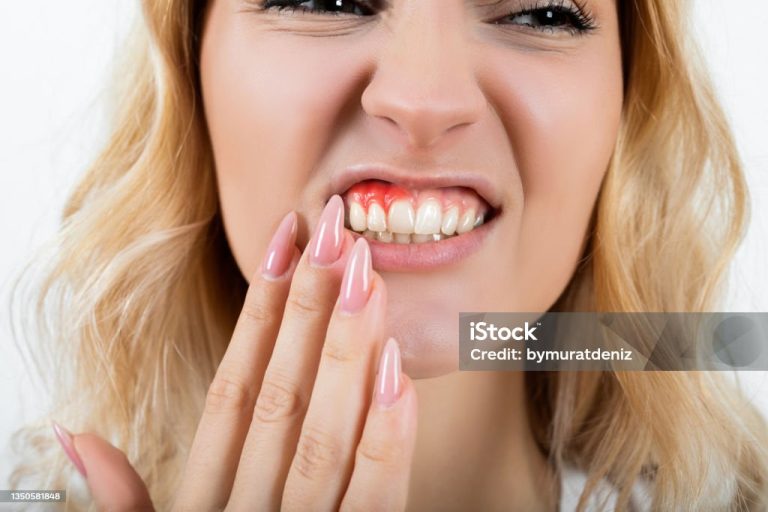
Gingivitis refers to the inflammation of gums. It mostly results from the non-maintenance of oral hygiene. Poor dental hygiene leads to plaque formation on teeth. Plaque finds a resting place in between the teeth gaps and along the gum lining. And this plaque, if not removed by brushing daily, hardens and irritates the gum line leading to gum inflammation. Other risk factors include diabetes, tobacco use, smoking, advancing age, poor nutrition and dryness of the mouth. The symptoms of gingivitis include swollen, bleeding, and painful gums. The gums appear dark red/purple, soft and puffy with a receding gum line. Halitosis (bad breath) and caries in teeth often accompany this condition. If not treated well on time, the disease advances, eventually leading to the falling of teeth. The homeopathic mode of treatment is very effective in treating gingivitis. It can treat gingivitis of both recent and chronic nature. The swelling, pain and bleeding from gums are wonderfully controlled with homeopathic medicines. These medicines, if started well in time, help treat the acute symptoms of gingivitis as well as prevent complications like periodontitis (serious gum infection causing tooth loss). In conventional mode, dental cleaning procedures are advised to treat cases of gingivitis. Such procedures give short-term relief. Homeopathic medicines boost the body’s own healing mechanism to eradicate the disease as a whole and prevent recurrence. Homeopathy treats gingivitis from its root as homeopathic medicines act deeply and not just superficially to overcome a health issue. Its action is beyond just simply providing …
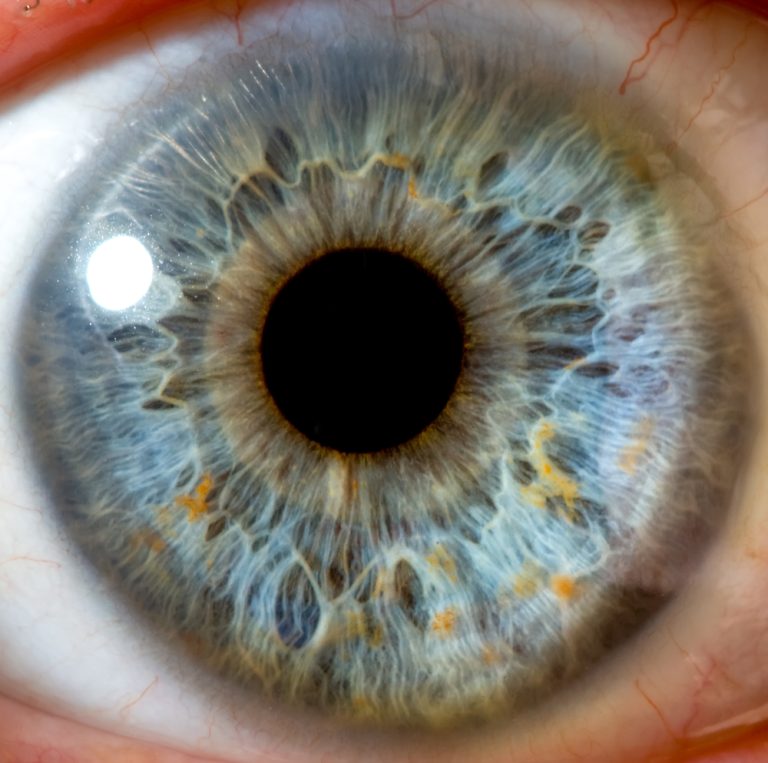
The first sign of any eye disorder is blurred vision or not being able to see correctly. Glaucoma is a much more serious eye disorder, with several accompanying symptoms. It’s an eye disorder characterised by raised intraocular pressure and optic nerve damage. In other words, there is a build-up of pressure inside the eyes and this pressure can damage the optic nerve, which transmits images to the brain. Glaucoma is of two types. Closed Angle (acute) Glaucoma is painful and progresses rapidly, in contrast to Open Angle (chronic) Glaucoma. The Open Angle Glaucoma leads to a gradual loss of vision.  The symptoms of Closed Angle Glaucoma are blurred vision, halos around light, headache, pain in eyes, nausea or vomiting. A family history of Glaucoma, Myopia and Diabetes Mellitus are the risk factors associated with Glaucoma. Injury to eye may also lead to Glaucoma. Medicines sourced from natural substances provide an effective treatment for Glaucoma. The Homeopathic remedies for Glaucoma are completely safe, and have no side effects. UNDERSTANDING GLAUCOMA Glaucoma is an eye disorder characterised by raised intraocular pressure and optic nerve damage. The raised intraocular pressure is the result of an imbalance between the production and drainage of the aqueous humour or eye fluid. Glaucoma occurs when the eye pressure increases as the eye fluid or aqueous humour is not circulating normally in the front part of the eye. This fluid normally flows out of the eye, but if this channel is blocked, the fluid builds up, causing Glaucoma. Closed Angle Glaucoma …

Inflammation of the tongue is called glossitis. In this condition, the tongue becomes red and swollen. In some cases, the papilla (small raised protrusions) on the tongue may disappear. Glossitis is attended with pain and difficulty while eating and talking. Homeopathy holds great promise to help cases of glossitis. Homeopathic medicines magnificently reduce inflammation and swelling of the tongue along with providing remarkable relief in associated symptoms like pain and burning sensation on the tongue. Homeopathic medicines for treating glossitis are very natural and safe to use. In mainstream medicine, the treatment for glossitis mainly includes medications like antibiotics or antifungal pills and in some cases steroid applications which may have side effects from long term use. On the other hand, homeopathy works gently to aid natural recovery and never causes any side effects at all. Homeopathic medicines fixes the root cause Homeopathic medicines work beyond reducing inflammation and offering symptomatic relief in glossitis. These medicines work on a deeper level to eliminate the root cause from the body to provide relief in glossitis cases. These work effectively in acute and chronic cases of various types. The time taken for complete cure varies as per chronicity, severity of problem, cause behind it and individual response to medicines. Individualized Medication as per homeopathic principles In homeopathy, the medicines for glossitis are selected individually for every case according to fixed homeopathic fixed principles. As homeopathy is a symptom-based science, hence homeopathic prescription varies from case to case.  Even selection of potency (power), dose and …

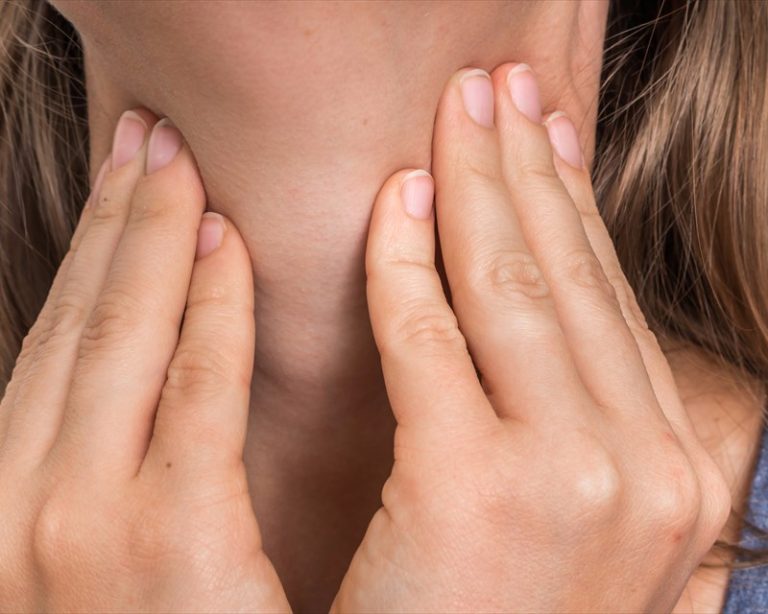
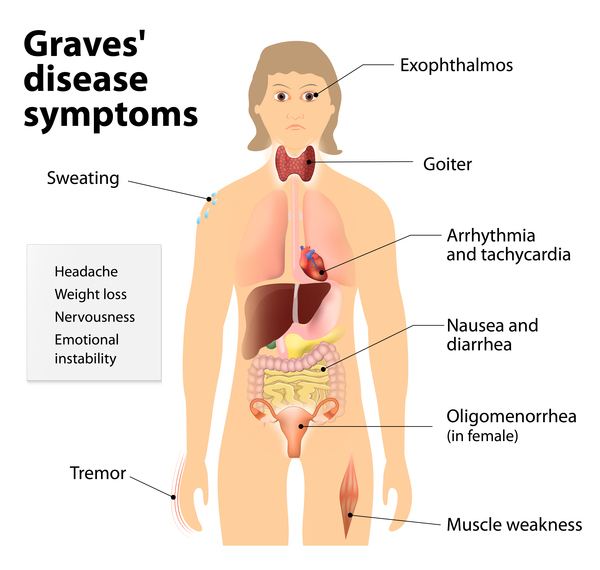
Goiter refers to abnormal enlargement of thyroid gland. The thyroid gland produces two major hormones, T3 and T4. These hormones control the metabolism process in the body. In goiter, the thyroid hormones may remain normal or they may increase or decrease. The main cause of goiter is iodine deficiency. Other causes are thyroiditis, grave’s disease, hashimotos’s disease, nodules in goiter (solitary nodule, multinodular goiter). Homeopathic medicines for goiter help boost the self-healing mechanism of the body to bring about natural recovery. Symptoms of Goiter Goiter may present itself merely as swelling in the neck. But, due to pressure from the enlarged gland, the person may have difficulty swallowing, experience hoarseness of voice and a constricted feeling in the throat. Other symptoms are related to hyperthyroidism and hypothyroidism. With hyperthyroidism, the major symptoms would be intolerance to heat, palpitations, anxiety, tremors, weight loss, exophthalmos, tachycardia and scanty menses. While with hypothyroidism, the symptoms are intolerance to cold, heavy menses, constipation, fatigue and weight gain. Homeopathic Medicines for Goiter Homeopathy offers very safe and effective treatment for goiter without the need for surgical intervention. There are a large number of medicines for treating goiter, but no one treats for all types. The most appropriate medicine is selected after a detailed study and analysis of individual symptoms. Natural medicines for goiter help reduce swelling of the thyroid gland and symptomatically manage the condition. In cases where the auto-immune origin of the disease is found, natural medicines help by optimizing the immune system and making it strong enough to tackle the disease. 1. Iodum – For …

What is Golfer’s Elbow? Golfer’s elbow is a painful condition of the inner side of the elbow; specifically at the medial epicondyle where the tendons of forearm muscle connect. Golfer’s elbow is also known as medial epicondylitis. A very similar condition to golfer’s elbow is tennis elbow. Tennis elbow affects the outer or the lateral side of the elbow and is known as lateral epicondylitis. Homeopathic treatment for golfer’s elbow is an excellent remedy for it. Conditions arising from repetitive stress and strains of muscles and tendons are treated wonderfully with homeopathic medicines. These medicines are natural hence very safe to use. Homeopathic treatment for golfer’s elbow is administered according to the individual symptom presentation. Symptoms like pain and stiffness in the elbow, and weakness, numbness or tingling in the fingers and arms recover effectively with the use of homeopathic medicines. What is the Cause for Golfer’s Elbow? The primary reason for golfer’s elbow is the overuse of muscles and tendons of the forearm and elbow. Golfer’s elbow is a common condition among golf players. Despite the name golfer’s elbow, the complaint is not limited to golf players. It may affect anyone who has over strained the muscles of the forearm. Activities like bowling, gardening, using hand tools like hammers, or running a chain saw are few examples that predispose a person towards golfer’s elbow. What are the Symptoms of Golfer’s Elbow? The symptoms of golfer’s elbow include pain and tenderness on the inner side of the elbow. Pain from the elbow may radiate …

Gonorrhea is an STD – sexually transmitted disease caused by bacteria named Neisseria gonorrhoeae. It mostly affects urethra; vagina and cervix in females; throat; rectum; eyes. The gonorrhea infection passes from one person to another through sexual contact (oral, anal or vaginal). Unprotected sex with a person who might be having the infection, having multiple sex partners, or having another STI (sexually transmitted infection) increases the risk of gonorrhea. Homeopathic treatment of gonorrhea helps fight the bacterial infection by boosting the natural healing mechanism of the body and helps in managing the symptoms effectively. Gonorrhea can also be passed from an infected mother to baby during vaginal delivery ( babies can develop sores on the scalp or show symptoms in their eyes including red and swollen eyes attended with a thick, pus-like discharge. Without treatment, gonorrhea can cause permanent blindness in a newborn baby). Homeopathic Treatment of Gonorrhea Homeopathic medicines are highly beneficial to treat gonorrhea. Acute as well as chronic cases of gonorrhea respond well to natural medicines. Medorrhinum tops the list of medicines to treat gonorrhea in both males and females. Other top medicines for treating gonorrhea in males are Cannabis Sativa, Nitric Acid and in females are Sepia and Pulsatilla. 1.Medorrhinum – Top Grade Medicine for Treating Gonorrhea Medorrhinum tops the list of medicines to treat gonorrhea. In cases needing Medorrhinum, urethral inflammation is marked with burning pain in urethra while urinating. Urine also has an offensive smell. In males, thin fluid mixed whitish mucus or yellow …

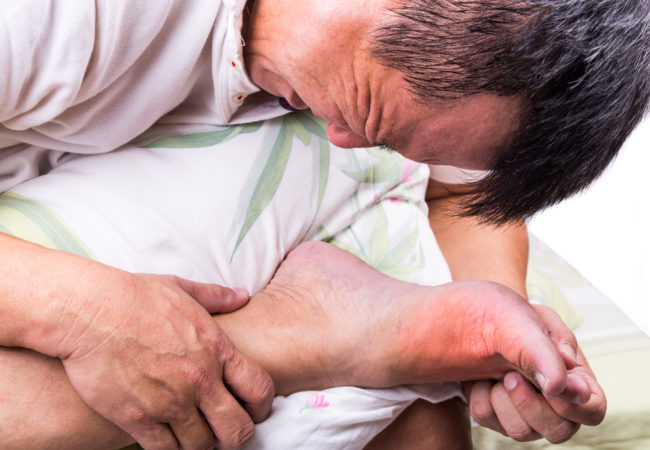
Gout is an inflammatory joint disease that arises due to increased uric acid levels in the blood. Though any joint in the body can be affected by gout but the joint at the base of the great toe has a higher chance to be affected in majority of cases. Normal uric acid levels in blood are 3.5 to 7.2 mg/dL.  Uric acid level more than this indicates hyperuricemia (high uric acid). Increased uric acid is not a disease and not dangerous. However, if excess uric acid levels lead to the formation of crystals in between the joints, gout can develop. In some people, excess uric acid levels also lead to the formation of kidney stones.  Please remember, not everybody who have high levels of uric acid, develop gout. High level of uric acid in blood without any symptoms is termed asymptomatic hyperuricemia. Homeopathic medicines offer a very effective treatment for various joint complaints, including gout. These medicines can be a big boon for all those who suffer from high uric acid and gout. Homeopathic medicines, along with proper dietary management, can lead to remarkable recoveries in cases of gout. Homeopathic medicines for gout help relieve symptoms like pain, tenderness, stiffness and also reduce the associated inflammation and swelling in joints. These medicines work by reducing overproduction of uric acid in the body and, where need be, by accelerating the removal of this waste product through the kidneys. In mainstream medicine medicines, NSAIDs (non-steroidal anti – inflammatory drugs) and corticosteroids are used to treat gout. These medicines give temporary …

What is Grave’s Disease? Grave’s disease is an autoimmune disease. It causes increased secretion of thyroid hormones (overactive thyroid gland). The thyroid gland is located in front of the neck and helps control the body’s metabolism through the production of thyroid hormones. In Grave’s disease, the release of thyroid hormones increases – a condition known as hyperthyroidism. Grave’s disease remains the most common cause of hyperthyroidism. Homeopathic treatment for Grave’s disease offers a cure at the internal level, where things have gone wrong. What is the Cause of Grave’s Disease? The exact reason behind Grave’s disease is still not fully understood, but it is an autoimmune disease. Autoimmune diseases occur when the body’s immune system mistakenly starts attacking the body’s cells. In case of Grave’s disease, a misdirected immune response is set up against the thyroid gland. This results in the production and release of excessive amounts of thyroid hormones. What are the Risk Factors for Grave’s Disease? Some major risk factors for Grave’s disease include a positive family history of this disease, triggering of disease due to stress, smoking, and presence of another autoimmune disease like rheumatoid arthritis and Crohn’s disease. Women carry a higher risk of developing Grave’s disease as compared to men and can develop the disorder during pregnancy. What are the Signs and Symptoms of Grave’s Disease? A wide range of signs and symptoms appear as a result of Grave’s disease. However, these symptoms vary from case to case and depend on many characteristic features of …

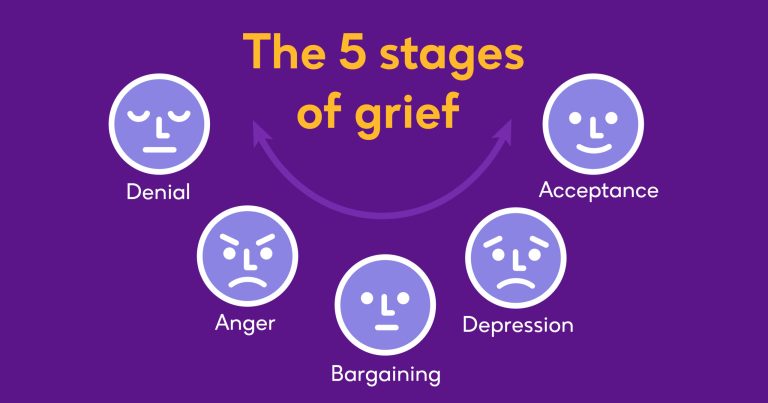
Grief is an emotional response. It is mental suffering that follows the loss of someone or something. The loss can be anything from the death of a loved one to the losing of a job, the parting of a relationship, or even ill health. The period of grief varies from person to person. Everyone reacts differently to grief. Some people go into a phase of deep sorrow but as time passes they accept the loss and move on with their lives. Other people are unable to move forward and accept reality. When grief lasts too long, and symptoms do not fade with time, it is known as complicated grief. Homeopathic treatment for grief and sadness works very efficiently to help recover from such cases of depression. Homeopathy is a highly successful mode of treating psychological issues including grief and depression. They are highly suitable and give excellent results in treating both acute and chronic grief. These medicines are non-habit forming and do not have any side effects. Symptoms of Grief A person in grief displays many symptoms. Symptoms include crying, a feeling of sadness and bitterness towards life. Patients also feel detachment from others, a desire for loneliness, numbness and suicidal thoughts. Other symptoms are a loss of appetite, sleeping problems, nightmares, weakness, headaches, and body aches. Homeopathic Medicines for Grief and Sadness 1. Ignatia – A Top-Listed Homeopathic Medicine for Grief and Sadness Ignatia lists amongst top grade homeopathic cure for treating grief and sadness. It offers a lot of …