Order supplements and other services.

Book Now

Book a Consultation

It just takes a few minutes to sign up and get fast, easy access to care.

Your Name*:
Your Phone:
Your Email*:
Your Wellness Concern:
Calendar is loading...
Time Slots*:

Your Name*:
Your Phone:
Your Email*:
Your Wellness Concern:
Calendar is loading...
Time Slots*:

None of these are your actual problem. Let’s figure out what’s really causing them.

A thick, raised, firm and mostly irregular growth over a scar that is usually red or pink in colour is called Keloid. Any injury to the skin results in a scar forming as a part of the normal repair process of the body. In some cases, however, the amount of scar tissue exceeds what is required in a normal healing process. This results in formation of a thick, raised, firm growth over the scar area. Another term used for scars is Cicatrices. Keloids give a shining appearance and have a smooth surface. Itching and pain in Keloids may also occur. The cause behind scarring is injury to skin, including accidental traumatic injuries or surgical cuts, burns, vaccination site, acne, chicken pox, piercing of ear lobes. Keloids can be effectively treated with Homeopathic remedies. The Homeopathic treatment for keloids is based on natural medicines which are absolutely free from side effects. The time taken to completely treat Keloids with Homeopathic remedies varies from case to case, depending upon the size and duration of the presence of the firm growth on the skin. Top natural Homeopathic Medicines for Keloids The Top Homeopathic medicines for keloids are Thiosinaminum, Graphites, Silicea, Nitric Acid, Fluoric Acid, Causticum, Calendula and Thuja Thiosinaminum: One of the Best Homeopathic treatment for Keloids Thiosinaminum is one of the most effective Homeopathic medicines to treat Keloids. This natural Homeopathic remedy is very strong and powerful enough to dissolve the scar tissue. It can be prescribed for the treatment of all kinds of …

What is Keratoconus? The cornea is a transparent layer in front of the eye that covers the iris, the pupil, and the anterior chamber. It is a transparent dome shaped structure, which helps to focus and control the entry of light into the eye. The bulging out of the cornea, like a cone, is known as keratoconus. Protein fibers assist in holding the cornea in place. In keratoconus, there is a weakening of these fibers, making it difficult for the cornea to remain in place and causing it to bulge out conically. These changes in the shape of the cornea can appear gradually or suddenly. In some cases, the progression of changes in the shape of the cornea stops after a while; while in others, these changes continue for many years. In advanced stages of keratoconus, there may be scarring of the cornea. Homeopathy offers treatment for many ophthalmic diseases. Keratoconus is one such condition where these medicines can help. Homeopathic treatment for keratoconus is safe and effective, using medicines which are sourced from natural substances. It can be used for people of all ages. Causes for Keratoconus The exact cause for keratoconus is not clear. Keratoconus runs in families. Genetic and environmental factors play a significant role in the development of keratoconus. The age at which it starts to appear varies between 10 years and early adulthood. Atopic diseases like allergies, eczema and harsh rubbing of the eyes predispose a person to keratoconus. Keratoconus is also common in individuals with …

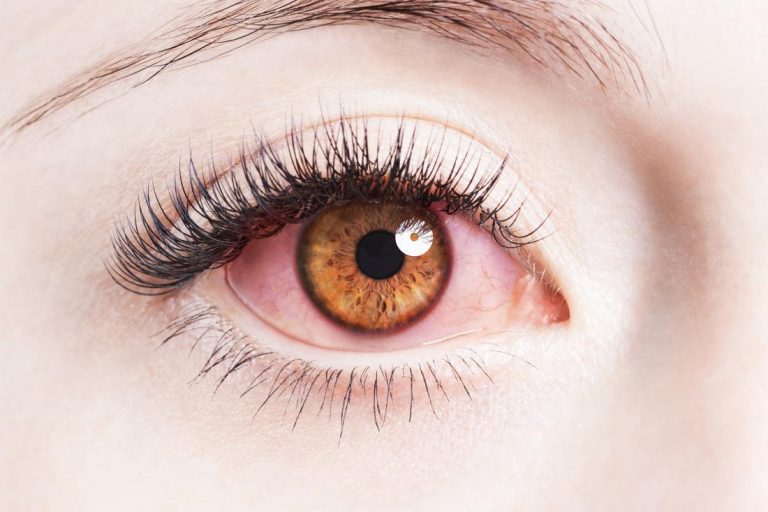
Inflammation of the cornea is known as Keratitis. The cornea is a transparent layer in front of the eye that covers the pupil and iris. Keratitis can be infectious or non-infectious. Homeopathic medicines help reduce the inflammation of the cornea and offer symptomatic relief. Belladonna, Apis Mellifica, and Arsenic Album are the top homeopathic medicines used to treat keratitis. The primary cause of infectious keratitis is a bacterial infection (mostly that causes gonorrhea), a viral infection (mainly herpes simplex and herpes zoster) or a parasitic infection. Non – infectious keratitis can result from a foreign body in the eye or some scratch or injury to the cornea. Wearing contact lenses for very long hours (especially wearing them overnight), use of corticosteroid eye drops, a compromised immune system, exposure to intense sunlight, and exposure to bacteria, fungi and parasites found in rivers, lakes while swimming can put a person at risk to develop keratitis. Homeopathic Treatment of Keratitis Homeopathic medicines play a supportive role in keratitis and can be used along with conventional treatment for effective relief from symptoms like pain, burning, and discharge. Homeopathic medicines for keratitis are prescribed on the basis of individual symptom set in every case. Symptoms that can be managed with homeopathic medicines include redness of the eye, pain in the eye, blurred or dim vision, photophobia (sensitivity to light), lachrymation or discharge from eyes and the sensation of a foreign particle in the eye. Homeopathic Medicines for Keratitis Belladonna – Natural Medicine for Red, Congested …

What is Kidney Pain? Kidney pain is felt in the back below the lower ribs. It can radiate to the flanks, abdomen and groin. The main causes of kidney pain are pyelonephritis (kidney infection), kidney stones, polycystic kidney disease and kidney cancer. Kidney pain from stone is referred to as renal colic. Kidney stones cause pain when they are trying to enter the ureter from kidney. The attending features of kidney pain are pain in the flank, painful/burning urination (dysuria), blood in urine (hematuria), frequent urination, offensive urination, fever, chills, nausea and vomiting. Advantages of Homeopathic Treatment of Kidney Pain Homeopathic medicines for kidney pain are highly effective remedies procured from natural sources. As the medicines are natural, there is no risk of toxic side-effects and gentle healing results. Homeopathic medicines can manage acute renal colic from stones. They are also effective in dissolving kidney stones and removing the tendency to have recurrent calculus. Homeopathic remedies are very helpful in kidney pain from infection (pyelonephritis) as well. Here these remedies help by boosting the body’s own healing mechanism to fight the infection. Homeopathic medicines can successfully treat acute as well as chronic kidney pain in a safe manner. Homeopathic Medicines for Kidney Pain The recommended Homeopathic medicines for kidney pain are Berberis Vulgaris, Lycopodium, Cantharis and Terebinthina. Berberis Vulgaris is one of the top grade Homeopathic medicines for kidney pain from stones. It is helpful in renal colic of the left side. Lycopodium is a natural Homeopathic medicine for right sided kidney pain. Cantharis is recommended for highly painful …

Kidney stones are hard deposits that are made from salts, minerals and acids in the kidneys. Kidney stones are also termed as renal calculi or nephrolithiasis. Kidney stones form when the the level of crystal-forming substances such as calcium, uric acid, or oxalate rise in the urine. At the same time, the level of substances that prevent these crystals from sticking together falls. They start as small granules and gradually grow larger in size, filling the hollow structures inside the kidneys. Homeopathy is a natural healing science that offers amazing treatment for cases of kidney stones. Homeopathic medicines effectively manage its symptoms along with breaking down and dissolving the kidney stones. These also help them pass out by stimulating the body’s self – healing system that helps relax the muscles in the urinary tract for easy passage of stone. Homeopathic medicines are undoubtedly safe and natural medicines that along with proper diet management, increased fluid intake yield positive long-term results in these cases. Homeopathic medicines for kidney stones are selected after an in-depth analysis of every individual case, mainly keeping in mind the side of the kidney stone (right or left)in the body and its attending signs and symptoms. Besides treating symptomatic kidney stones, homeopathic medicines are also helpful when the kidney stones are asymptomatic. These medicines can also cure the tendency towards recurrent kidney stones. They have shown remarkable results in these cases by targeting the underlying associated health conditions. Many of the kidney stones cases are considered a case …

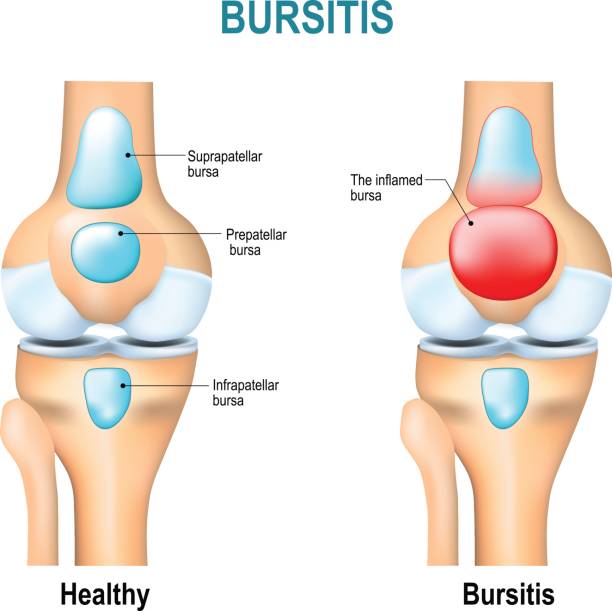
The inflammation of bursa around the knee joint is referred to as knee bursitis. Bursa is a bag-like cavity around a joint containing fluid (synovial fluid) that serves to reduce the friction between the bone and the surrounding structures, including tendons, ligaments, and muscles The main bursa of the knee that is mainly involved in inflammation is prepatellar bursa in front of the knee. The symptoms arising from knee bursitis are mainly redness and swelling over the knee joint along with pain, warm sensation, and tenderness. Knee bursitis can be treated very effectively with natural homeopathic medicines. Homeopathic remedies are of great help in the treatment of knee bursitis. These medicines along with reducing inflammation of bursa offer magnificent relief in its signs and symptoms. In conventional mode, anti-inflammatory medicines and steroidal injections are mainly administered  to treat knee bursitis while antibiotics are prescribed, if the cause is an infection. These medicines offer short-term relief and might also have some side effects. In cases not responding to antibiotics, surgical intervention is done in conventional mode. On the other hand, homeopathic treatment for knee bursitis can provide complete recovery from the ailment without side effects. Homeopathy can prevent the need for surgery in cases of bursitis to a greater extent. Homeopathy treats root cause Homeopathic medicines aim to address the root cause behind knee bursitis like injury, infection, and arthritis. By targeting the root cause, homeopathy not only stops at just providing symptomatic relief, it rather works to treat the core …

he knee joint is quite vulnerable to injuries. A knee injury can arise from a fall, overuse, a misstep, a sudden twist, etc. Athletes who play sports like soccer, football, and basketball are at risk of knee injuries. The knee joint is made up of four main components, i.e. bones (three bones, including femur, tibia, and patella participate here), C-shaped tough, rubbery cartilage (medial and lateral menisci that act as shock absorbers between femur and tibia), ligaments (collateral and cruciate ligaments that join bones together), and tendons (that connect muscles to the bones). An injury can occur to any of these components. Homeopathy carries an excellent scope to manage cases of knee injuries. Knee injuries of various kinds can be treated with homeopathy. Homeopathic medicines for knee injuries help reduce the pain and swelling of the knee in case of injury and promote efficient healing. Homeopathy is recommended for treating minor knee injuries having mild to moderate intensity. But in cases of major and severe injuries like extended ligament tears, these medicines have a limited role to play. In such cases, these medicines can be used in conjunction with conventional help for symptomatic relief. There are many highly effective homeopathic medicines to manage injuries related to tendons, ligaments, muscles, bones, and joints. These medicines are recommended for both acute (recent) and older cases of knee injuries. Homeopathy proves effective in both types of cases. The results vary from case to case as per the type of injury. Homeopathic medicines, along …

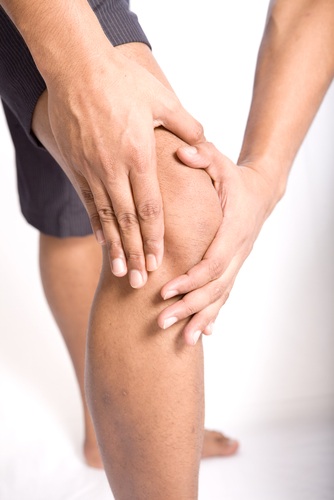
Knee pain can arise from a number of reasons including degeneration, inflammation or injury of the knee joint. The major medical conditions that cause knee pain are osteoarthritis, rheumatoid arthritis, knee injury, gout and bursitis. Knee pain can arise in persons of any age. The symptoms that usually accompany knee pain are swelling, stiffness, tenderness and heat in the knee joint. Homeopathic medicines for knee pain are very effective in managing knee pain of degenerative, traumatic as well as inflammatory origin. Homeopathic Medicines for Knee Pain Knee pain can be treated wonderfully well with medicines, which are natural and therefore, safe for use. Natural medicines are helpful in both acute and chronic knee pain. They are safe for use among all age groups, without any risk of toxicity. They help in relieving the pain in the knee and the accompanying symptoms such as swelling, tenderness and stiffness. The recommended medicines for knee pain are Calcarea Carb, Rhus Tox, Colchicum, Ruta and Symphytum. Among these medicines, Calcarea Carb is recommended for knee pain from osteoarthritis and Rhus Tox is indicated for knee pain from rheumatoid arthritis. Colchicum has shown remarkable results in knee pain resulting from gout while Ruta and Symphytum are excellent medicines for knee pain from ligament and bone injury, respectively. 1. For Knee Pain due to Osteoarthritis Osteoarthritis is a degenerative disease of the joint. In osteoarthritis of the knee, cartilage of the knee joint undergoes degeneration as a result of which the joint space is reduced. The symptoms of knee osteoarthritis …

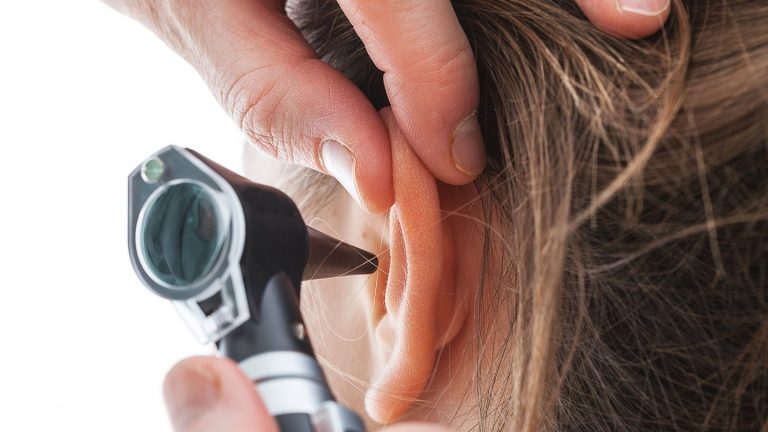
The labyrinth is a part of the inner ear that is involved in hearing and maintaining balance. An inflammation of this part of the inner ear is known as labyrinthitis. The primary reasons behind labyrinthitis include viral infections (like herpes, measles, mumps and rubella) and bacterial infection of the middle ear. Labyrinthitis can be treated effectively with homeopathic medicines that aim to reduce inflammation and provide symptomatic management. Symptoms of labyrinthitis include dizziness, vertigo, balance issues, fullness in the ear, noises in the ear (tinnitus), nausea, vomiting, fluid discharge from the ear and ear ache. All these problems can be treated effectively with homeopathy. Conventional mode treats labyrinthitis with the use of antibiotics, antihistamines, corticosteroids as per the case. This may have some side effects with prolonged use. Homeopathic medicines treat labyrinthitis naturally without any side effects. Homeopathic prescription to treat labyrinthitis cases is based on symptoms as described by each patient. After noting down all the symptoms in detail, a proper case evaluation is done. The medicine that matches closely with the symptoms of the sufferer is finalised. The dosage, potency and repetition are decided for each case separately as per the chronicity of the complaint, severity of symptoms and age of the person. The individualized prescription brings wonderful recoveries in cases of labyrinthitis. Homeopathy gives excellent results in labyrinthitis cases by working to treat the root cause linked to it. As it focuses to addressing the underlying cause, the results are long-term rather than temporary. For getting the best …