Order supplements and other services.

Book Now

Book a Consultation

It just takes a few minutes to sign up and get fast, easy access to care.

Your Name*:
Your Phone:
Your Email*:
Your Wellness Concern:
Calendar is loading...
Time Slots*:

Your Name*:
Your Phone:
Your Email*:
Your Wellness Concern:
Calendar is loading...
Time Slots*:

None of these are your actual problem. Let’s figure out what’s really causing them.

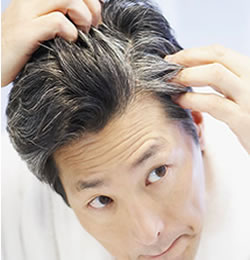
Hair, it is said, is everything. Well, that may be sort of far-fetched but early greying of hair can be very disturbing for people. Greying of hair before the age of 35 years is referred to as premature greying. It has seen an increase over the past several years, and the main reasons could be stress or anxiety, improper diet, overuse of shampoos and conditioners or, of course, it could be in your genes. There have been cases of children as young as 8-10 years of age reporting greying of hair. The premature greying of hair can be successfully treated with Homeopathic medicines. The Homeopathic remedies for premature greying of hair are made of natural substances and are free from any side effects. The Homeopathic medicines act in the most gentle and natural way to halt the process of greying of hair. Top Homeopathic Remedies for Premature Greying Of Hair The top medicines for premature greying of hair are Phosphoric acid, Lycopodium, Natrum Mur, Phosphorous, Silicea, and Vinca Minor. 1. Phosphoric Acid: Best Remedy for Greying of hair from Grief Phosphoric Acid is the top natural medicine for the treatment of premature greying of hair resulting from grief and depression. It can be accompanied by thinning or falling out of hair. The patient feels very hopeless, sad and becomes indifferent to all affairs of life. Extreme exhaustion and weakness are symptoms in all the persons requiring this Homeopathic medicine. The weakness is noted in both physical and mental planes. Phosphoric Acid helps both in making the patient …
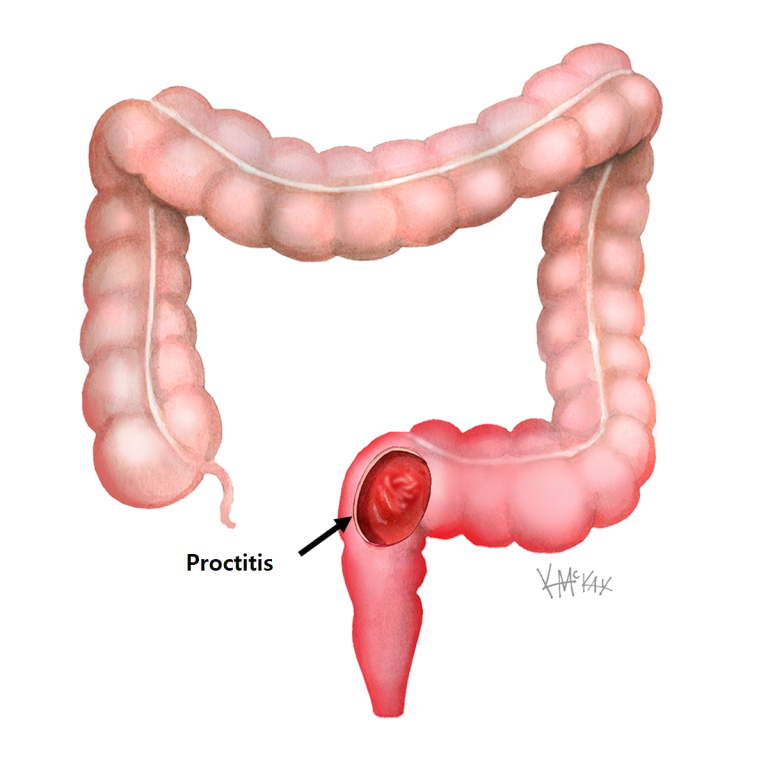
Inflammation of the lining of rectum is referred to as proctitis. Rectum is the terminal part of the large intestine. The rectum extends between the sigmoid colon and the anal canal. It is where the faeces are stored until they leave the body through the anus. Proctitits is the condition where the lining of the rectum gets inflamed. Proctitits may be acute or chronic in nature. Diagnosis of proctitis involves looking down the rectum with a proctoscope. Causes of proctitis The major among the various causes of proctitis are inflammatory bowel disease (crohn’s disease or ulcerative colitis), sexually transmitted infections in persons involved in anal intercourse (the sexually transmitted infections mainly include chlamydia, gonorrhea, syphilis, herpes simplex virus 1 and 2), radiation therapy for cancer, trauma and antibiotics. In some cases, proctitis may arise idiopathically i.e. without any known cause. Symptoms of proctitis The symptoms of proctitis include a continuous urge to pass stool, feeling as if the bowels were not evacuated completely following bowel movements, fullness in the rectum, rectal bleeding, passage of mucus from rectum, irritation in the anus or rectum, pain in the rectum, pain in rectum while passing stool and left-sided abdomen pain. Due to bleeding, signs of anaemia may arise. These include weakness, pale skin, dizziness and shortness of breath. Homeopathic treatment of proctitis The Homeopathic mode offers wonderful treatment for proctitis. Homeopathic treatment of proctitis is based upon symptomatic presentation of the case. Homeopathic medicines are selected individually for each case of proctitis. These medicines …

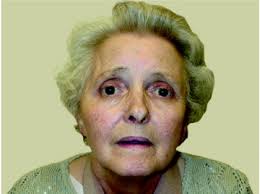
Progressive supranuclear palsy (PSP) is a rare brain disorder that causes problems with balance, walking, eye movements, speech, and swallowing. It is also called Steele-Richardson-Olszewski syndrome. Homeopathy for Progressive Supranuclear Palsy can help manage the symptoms, but is limited in its scope and should not be the only course of treatment for this disorder. The exact cause of progressive supranuclear palsy isn’t known yet. The symptoms of PSP arise due to the deterioration of brain cells in the region of the brain stem. It has been found that destruction of brain cells is linked with an abnormal amount of protein (called tau that forms clumps in brain cells) hinder their functioning resulting in the death of brain cells. The condition affects people who are over the age of 60 years. Signs and Symptoms The main signs and symptoms of progressive supranuclear palsy include unsteady gait, loss of balance while walking resulting in frequent falls (mostly backward) and an inability to control eye movement. There may be difficulty focussing the eye on objects or looking upward/downward. Blurred vision, double vision, sensitivity to light, involuntary closing of eyes (blepharospasm) may also be felt. Inability to maintain eye contact during conversation is other vision complaints. These signs and symptoms tend to worsen over time, the rate of its progression varies from person to person. Other symptoms include stiffness, difficulty swallowing, slow / slurred speech, sleep disturbances, change in behaviour (like irritability, mood swings, impulsive behaviour, laughing / weeping without reason, loss of interest …

Prostatitis refers to the inflammation of the prostate gland (this gland is located beneath the bladder that encircles the top part of the urethra which is the tube that carries urine from the bladder to the outside of the body). When the tissue in and around the prostate gland becomes swollen, irritable, and tender, it indicates prostatitis.  Pain in the genitals, pelvic area, perineum, groin, painful urination, and painful ejaculation are the prominent symptoms of this condition. Prostatitis is of various types mainly, bacterial and non-bacterial. Homeopathy is a highly advanced healing system that offers a magnificent treatment for prostatitis. The homeopathic remedies for prostatitis are made of natural substances and are completely safe, with zero side effects. Homeopathic medicines for prostatitis aim to provide easy relief in its symptoms followed by rooting out the chronic problem. Homeopathic treatment can greatly help in managing acute prostatitis and can also provide a cure for chronic prostatitis. However, in acute cases, conventional treatment may be required when symptoms are severe. Here homeopathic medicines can be used along with that treatment for symptom management. As prostatitis may arise from different reasons including infectious as well as non-infectious, so homeopathy works to treat the underlying basic cause for long-term relief and cure. It boosts the body’s self-healing mechanism to fight back the cause to help in a natural cure. The foremost principle of homeopathy is to treat any health issue including prostatitis following an individualised approach. As per this law, the homeopathic medicines are prescribed based on the characteristic key symptoms …

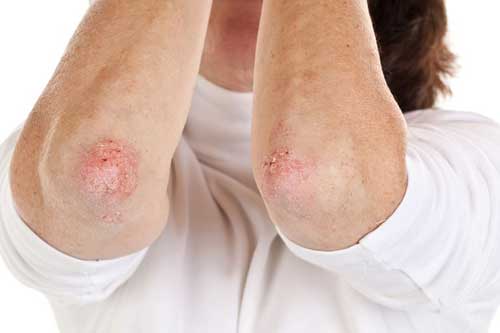
Psoriasis is an autoimmune skin disorder characterized by well-defined red patches on the skin covered with silvery-white scales. In psoriasis, skin cells proliferate at a speed higher than normal. Skin cells normally grow and are shed every 28 to 30 days. In psoriasis, the skin cells start growing more rapidly – every 3 to 5 days. The skin is not able to shed the excessive cells as quickly as they appear on its surface. The result is a build-up of cells on the skin referred to as plaque. Homeopathy offers the best natural treatment for autoimmune skin conditions including psoriasis. It has certain distinct advantages including the absence of any side effects and non-suppression of psoriasis. In psoriasis, a patient requires treatment that can control the indiscriminate skin cell proliferation. Homeopathy can successfully treat it exactly this way by optimizing the over-active immune system, hence curing it at its origin. In the traditional approach, corticosteroids are used topically and orally that might give an early result by suppressing active lesions but have side effects. Their use makes the condition more complex as on leaving these medicines, symptoms may reappear with severe worsening of the condition. So homeopathy can be a safe line of treatment for psoriasis as it uses non- suppressive medicines. It not only reduces the frequency and intensity symptoms like itching, flaking, cracks and aid healing of eruptions, but also prevents further spread of eruptions. It can also help in managing joint pains that can occur in cases …

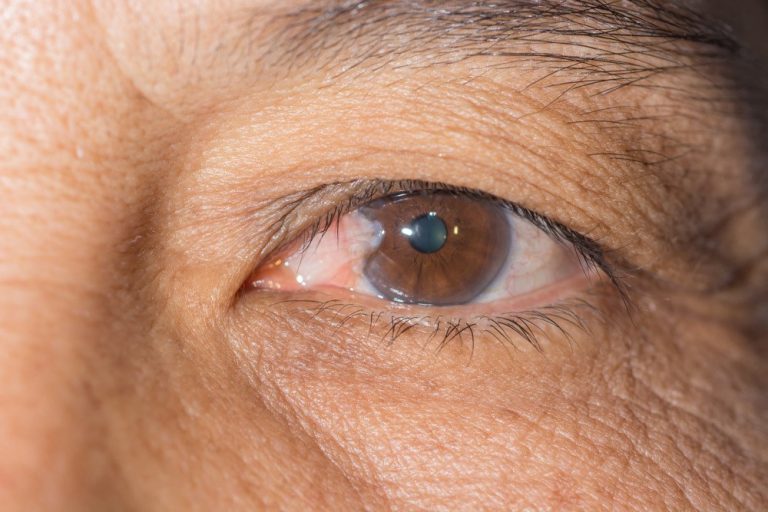
Pterygium (or Surfer’s eye) is a wedge or triangular-shaped tissue flap that starts growing on the conjunctiva of the eye. It is elevated and also contains blood vessels. Pterygium starts developing from the nasal side of the conjunctiva and extends onto the cornea. It is a benign or non-cancerous growth whose size and color can vary from small to large, depending upon the case. The color of pterygium ranges from pink, white, yellow, gray to red. It can develop in one eye or both the eyes. Homeopathy offers a safe and effective treatment for pterygium and helps manage symptoms like itching, grittiness, burning, and redness in the eyes. Argentum Nitricum, Arsenic Album, and Belladonna are the top homeopathic remedies used to treat pterygium. Homeopathic Treatment of Pterygium Homeopathic medicines help control the tissue overgrowth in the eyes. These are also very useful in treating pterygium that is recurrent. There are different medicines used to treat pterygium, and these are selected as per individual case assessment. All the homeopathic remedies for pterygium are prepared from naturally occurring substances and are free from any toxic side effects. Homeopathic Medicines for Pterygium Argentum Nitricum – Natural Medicine for Pterygium that is Pink Argentum Nitricum is a well indicated homeopathic medicine for pterygium that is pink in color. It causes the eyes to become red and swollen, and there may be associated itching and biting sensation in the eyes. In some cases, there is a sensation of dryness and heat in the eyes. Arsenic Album …

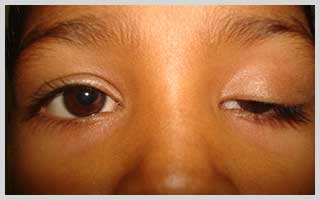
Drooping of the upper eyelids is known as ptosis. Ptosis is not a disease, but a symptom arising from various conditions. Ptosis can be one sided (unilateral) or affect both sides (bilateral). Ptosis can be congenital (one can be born with ptosis) or acquired (ptosis develops later in life). Homeopathic remedies for ptosis can bring improvement depending on factors like the duration of ptosis, the intensity of ptosis (mild, moderate or severe degree) and the body’s individual response Ptosis arises mainly from one of the three reasons that include – a weakness of muscles involved in raising the eyelid, damage to the nerve that supplies eyelid muscles or swelling of the lid. Levator palpebrae superioris and superior tarsal are the two muscles weakness in which causes ptosis. Nerve damage affects the oculomotor nerve. If not treated well in time, ptosis may lead to amblyopia (lazy eye) or astigmatism. Homeopathic Remedies for Ptosis Ptosis can be treated wonderfully well with Homeopathy. However, the prescription varies. The ideal medicine is selected as per the individual symptom presentation. Homeopathy treats ptosis by strengthening the muscles of the eyelids. Some prominent medicines for ptosis include Alumina, Rhus Tox, Kali Phosphoricum, Plumbum Metallicum, Causticum, Gelsemium sempervirens, and Ledum Palustre. Among these, Alumina and Rhus Tox are well indicated for right-sided ptosis. Kali Phosphoricum and Plumbum Metallicum are excellent for ptosis of left side. Causticum works well for ptosis arising on either side. Gelsemium Sempervirens is the ideal choice of medicine for ptosis from resulting from exhaustion. …

Post Traumatic Stress Disorder (PTSD) is a serious psychological condition which occurs in people who have undergone some terrifying stressful trauma (for example, sexual assault, road accident, domestic violence). Most people who face a traumatic experience undergo fear, anxiety, shock, and nervousness. These are the common reactions in response to stressful events and do not usually result in PTSD. If anxiety or the stressful condition persists for more than a month and hinders social functioning, then it is indicative of PTSD. The main symptoms of PTSD are flashbacks of horrifying events in the past, nightmares, and hallucinations. Patients with PTSD want to be left alone and are indifferent to life. Disturbed sleep and difficulty in concentration are also common complaints of PTSD. Homeopathic treatment for PTSD helps remove the imprints of trauma and brings about natural recovery. Homeopathic Treatment for PTSD Homeopathy remedies are made up of natural substances and are very safe. The advantage of homeopathy treatment for PTSD is that it does not make a person dependent. Homeopathy cures the person without any side effects. These natural remedies do not slow down the body’s natural processes and make it dull, as might be the case with other treatments. Top Homeopathic medicines for PTSD Top recommended medicines for PTSD are Ignatia, Natrum Mur, Kali Phos and Staphysagria. Ignatia, an excellent medicine for PTSD, is of great help when depression frustration and hopelessness accompany PTSD. Ignatia also works well when a person is quarrelsome and exhibits mood swings. Natrum Muriaticum acts well for …

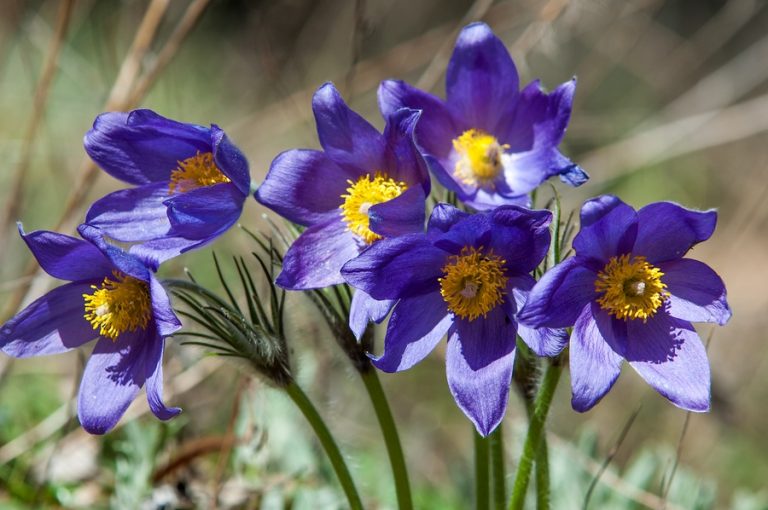
Pulsatilla is a delicate, perennial plant that has been used since the 18th century for ulcers, cataracts, and depression. In homeopathic use, it is an important plant remedy used to treat a wide variety of conditions. More commonly used as a female remedy, it suits people with an adaptable, indecisive, peaceful temperament. It is commonly known by the name windflower, pasque flower, and anemone pratensis. It belongs to the family Ranunculaceae. It commonly grows in Central and Northern Europe and some parts of South of England. Use of pasque flower has been made since ages mainly for eye complaints. In ancient times, ‘Dioscorides’ remarked it as a remedy for a headache and ophthalmia (eye inflammation). After its proving by Dr. Hahnemann in the year 1805, it has been employed to treat many ailments in homeopathy. It is a polychrest medicine, and in homeopathy, it is primarily used for treating diseases related to female organs, eyes, nose, ears, GIT, and sleep issues. Preparation Homeopathic medicine is prepared from the fresh windflower plant when in flower. This plant is collected and made it into a pulp which is then soaked in alcohol. It is then strained and diluted. Following this, it undergoes the process of succussion for making potencies for homeopathic use. The ‘Pulsatilla’ Constitution It is suited to women of a kind, affectionate, imaginative, extremely excitable, gentle, bashful personality with a yielding disposition. Sadness and weeping spells frequently appear among them. They are indecisive, slow, plethoric, nervous, have a changeable disposition. …