Order supplements and other services.

Book Now

Book a Consultation

It just takes a few minutes to sign up and get fast, easy access to care.

Your Name*:
Your Phone:
Your Email*:
Your Wellness Concern:
Calendar is loading...
Time Slots*:

Your Name*:
Your Phone:
Your Email*:
Your Wellness Concern:
Calendar is loading...
Time Slots*:

None of these are your actual problem. Let’s figure out what’s really causing them.

HAHNEMANN not just discovered a healing principle but also a law governing the relationship between all drugs and all diseases. Unfortunately, his breakthrough was glossed over. Since its inception homeopathy has been a victim of perpetuated prejudice. A bias which has become compulsive or, should we say, pathological, pathobias.   Homeopaths have spent a great deal of energy on fighting conventions. One reason for this may reflect genuine incredulity that conventional physicians can apparently claim to help the ailing humanity and yet reject, seemingly out-of-hand, a new system of therapeutics with an excellent clinical track record. To homoeopaths this seems, perhaps, illogical. There is a plethora of biases aimed at eclipsing homoeopathy’s great ability to treat chronic disorders. A situation that indirectly adds to the list of biases is a “write-off” by a conventional physician, even when homoeopathy could actually cure. But more often than not, it is a blind belief in the write-off which actually results out of conviction with which the patient is made to believe. Another fallout of this situation is that one realises the value of homoeopathic treatment after losing the precious time when the treatment could have been most effective. By all this, I mean to say that homoeopathy is far more effective in many cases that are generally termed as “incurables” if used properly and in time. However, one must that there are “incurables” for homoeopathy too! The second most important bias is that of homoeopathy is “slow”. Often I have seen that it …

Myths About Homeopathy Among the many myths, the biggest amongst all is the false notion of homeopathic treatment being a slow treatment. Is homeopathic treatment really  slow ? How slow is homeopathy? It’s a question that every homeopath has to answer a million times a during his lifetime.  The real answer is that it is as slow  or fast as the nature gets.  To understand this,  one has to understand the basic principle underlying homeopathy . Homeopathic medicines work on the principle of like cures like. This means that a similar impression like that of the disease is given to  the body in the from of medicine . This in turn incites a small reaction in the body which fights the disease. In simpler terms, it means that homeopathic medicines stimulate body’s own healing processes. This is the basic principle of homeopathy, so the speed at which homeopathic medicines cure a disease is largely governed by the way our natural restorative process of our body respond. Thus Homeopathic medicines are not slow in action they are as slow or as fast as our body’s healing system reacts. Body’s healing reaction is dependant on many factors. The intensity of disease, nature and the time since its been in the body and to some extent the over all vitality of the body  have major outcome on the speed at which our body cures it self. For example a long standing (20 years or so) case of eczema would take a coupe of months to be totally cured. On …

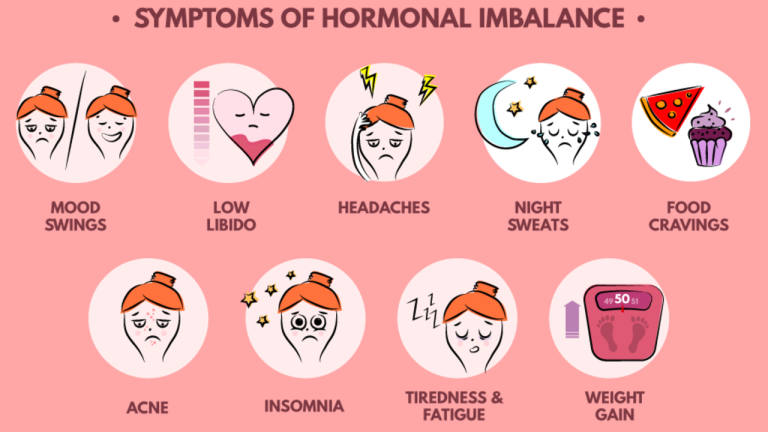
What is Hormone Imbalance? Hormones are chemical substances produced by glands that are secreted directly into the bloodstream. Through the blood stream, the hormones are carried to various organs of the body to regulate numerous bodily functions. The major hormones are thyroid hormones (produced by thyroid gland), estrogen and progesterone (female hormones produced by ovaries) and testosterone (male hormone produced by testis). Hormone imbalance in females Hormonal imbalance in women can lead to various conditions and syndromes. The main syndromes resulting from hormonal imbalance in women are PCOS, premenstrual syndrome and menopausal syndrome. PCOS mainly leads to irregular periods, acne, hair growth on face and infertility. Premenstrual syndrome refers to a set of symptoms that are experienced by women a few days prior to the onset of periods. The major symptoms of premenstrual syndrome are mood swings, irritability, depression, headache, changes in bowel movement, abdominal bloating, breast tenderness and acne. Menopause is the permanent cessation of periods in women. The set of symptoms that appear during menopause are collectively referred to as menopausal syndrome. Symptoms of menopausal syndrome include hot flushes, depression, mood swings, anxiety, irritability, sleeplessness, osteoporosis (weak bones), weight gain (obesity), hair loss, low sex drive, vaginal dryness, excessive vaginal bleeding (flooding). Hormone imbalance in males Hormone imbalance (mainly testosterone) in males results in major complaints of erectile dysfunction, infertility, low sex drive, breast development (gynaecomastia), depression, loss of muscle strength, decreased bone density, falling of hair and lowered energy levels. Hormone imbalance resulting from thyroid gland dysfunction Thyroid gland mainly …

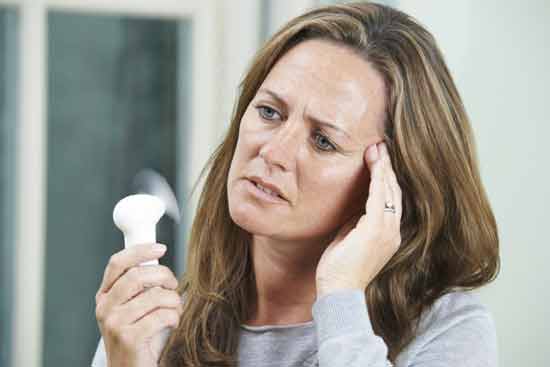
A hot flash is a sudden and intense feeling of heat that is felt in the upper part of the body, like the face, chest, and neck. An episode of a hot flash can last for between one to five minutes, or occur multiple times in an hour. In some cases, it occurs less frequently, (like a few times a week or month) while some experience it daily. Heated sensation may be accompanied by redness of the face, night sweats, increased heartbeat and, sometimes, a tingling sensation in the fingers. These symptoms are very commonly noted in menopausal and peri-menopausal women, however hot flashes may occur from several other causes as well. Hot flashes usually occur in women between the age group of 40-55 years. Some females also experience these during their regular cycles. They tend to occur more during night and tend to affect sleep. Homeopathy works magnificently in managing various complaints occurring during menopause. It offers a natural solution for hot flashes. With the help of natural homeopathic medicines, hot flashes can be reduced remarkably, thereby improving the quality of life. Homeopathic medicines gradually reduce the intensity and frequency of hot flashes by balancing the hormones in the body. Conventional mode recommends hormone therapy, anti-depressants and anti-seizure medicines to treat hot flashes, which have side effects. It is a well-known fact that homeopathy has zero side effects. Homeopathic medicines can only help cases of heat flashes and can never harm. Besides, heat flashes homeopathy offers a great help in …

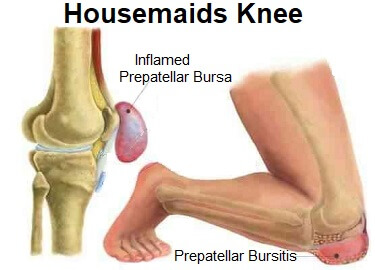
What is Housemaid’s Knee? Housemaid’s knee is a condition where the pre-patellar bursa of the knee gets inflamed. It is also known as pre-patellar bursitis. The bursa is a small fluid-filled sac located around a joint. The bursa acts as a cushion between the bone, tendons and muscles, and reduces the friction when the tendons and muscles move over a bone during joint movement. Inflammation of the bursa is known as Bursitis. There are up to eleven bursae that surround the knee joint. The bursa present between the skin and the knee cap, or the patella, is pre-patellar bursa. Inflammation of this pre-patellar bursa is known as Housemaid’s knee. Homeopathic Treatment for Housemaid’s Knee offers excellent remedies for this problem. These medicines treat the problem of housemaid’s knee in a very safe, gentle, and efficient way. Homeopathic medicines for Housemaid’s knee help in reducing the inflammation of the bursa. They also assist in relieving symptoms like pain, swelling, and tenderness of the knee. Prominent medicines for the Homeopathic Treatment for Housemaid’s Knee include Apis Mellifica, Bryonia Alba, Sticta Pulmonaria, Silicea, Kali Iodatum, and Arnica Montana. The most suitable medicine for the Homeopathic Treatment for Housemaid’s Knee should be selected based on individual symptoms. What are the Causes for Housemaid’s Knee? The common causes for housemaid’s knee include a fall, blow or injury to the knee, an infection inside the pre-patellar bursa, and excessive kneeling; as in the case of carpet fitters, plumber, and gardeners. Gout and rheumatoid arthritis also raise …

HPV

HPV is Human Papilloma Virus. More than 150 types of HPV are presently known. Among these, the majority are benign in nature causing warts (skin or genital warts) while few types of HPV are carcinogenic, leading to cancer lesions (majorly cancer of cervix in women). Top three recommended homeopathic medicines for HPV are Thuja, Causticum, and Dulcamara. Transmission of HPV HPV can be transmitted via three routes. The first among these is through broken/damaged skin, leading to skin warts. The second route is sexual intercourse/anal sex leading to genital warts and the last mode of transmission is from the mother to child during childbirth. Signs, Symptoms of HPV HPV infection causes skin growth of varying shapes and sizes known as warts. Warts from HPV infection can appear on the skin (skin warts) or genital organs/anal area (genital warts). Skin warts may appear in clusters or as a single growth. These may be tiny, large, smooth, rough, raised, flat or cauliflower-like in appearance. They may be painful and may bleed occasionally. The genital warts are small flesh coloured growths or cauliflower-like growths. Genital warts in women may appear on vulva, vagina or cervix while in men, they appear on the shaft of the penis or scrotum. The anal area may be involved in both men and women. Genital warts can be painful, itchy and may bleed. Recommended Homeopathic Medicines for HPV Conventional medicine considers warts arising from HPV infection to be a surgical case. Cauterization or surgical removal of warts is …

Hydrastis Canadensis is commonly known by the names Goldenseal, Orange Root and Yellow Root . It belongs to the family Ranunculaceae. The thick, yellow rhizome (stem of a plant with nodes) of the herb is used to extract the medicine. It is indigenous to the United States and Canada and was introduced in Europe in the 18th century. It is also widely grown in India. As a homeopathic remedy, it is primarily used for ailments related to the respiratory tract, gastrointestinal tract, ears, and female organs. Hydrastis Canadensis: Preparation The homeopathic remedy Hydrastis Canadensis is prepared from the rhizome of the herb called Goldenseal. For the preparation of the medicine, first, the rhizome is freshly cut, which further undergoes the process of cleaning and chopping. The chopped fragments are then soaked in distilled alcohol for some time, after which it is strained and diluted to the desired degree. It is then subjected to the homeopathic process of Succussion, which is a type of oscillatory process done to obtain the desired potency of the medicine. The ‘Hydrastis’ Constitution It is well suited to people who have a feeble constitution and who get easily tired. It also works well for chronic alcoholics who have broken down their system by excess use of alcohol. The skin is generally pale, and the patient is susceptible to contracting jaundice. Hydrastis Canadensis: Drug Action The herb has a chemical in it called Berberine, which is known to work against many harmful bacteria and fungi, making it …

Hydrocele refers to the swelling in the scrotum that holds the testicles due to the collection of excessive fluid in the sheath (tunica vaginalis) surrounding a testicle. Hydrocele can be congenital i.e. a child may be born with hydrocele or it may develop later in life. The causes of hydrocele developing late in life are inflammation or injury within the scrotum. Homeopathy is a very safe, effective, and non-invasive alternative treatment option for cases of hydrocele. Hydrocele, which is considered a surgical condition in the conventional mode of treatment, can be treated magnificently with homeopathic medicines. Homeopathic medicines stop the further progression of this condition and help to reduce swelling in the scrotum by aiding fluid absorption collected in the sheath around the testicle. Along with swelling, they also help to relieve any associated symptoms such as pain or dragging sensation. Homeopathic medicines for hydrocele are of natural origin, making them very gentle, safe, and harmless for use in children as well as adults. They treat hydrocele naturally and do not carry any toxic side effects. One may also easily discontinue homeopathic medicine on the advised homeopathic protocol after the desired outcome is obtained. Homeopathic medicines for hydrocele are prescribed based on the principle of individualization in every case. Individualization means selecting medicines based on the characteristic key symptoms in every case. So, it is advised to always consult a homeopathic doctor to get the best results as self-medication might not help here. The prescription of the medicines, potency selection, dosage, and repetition vary from …

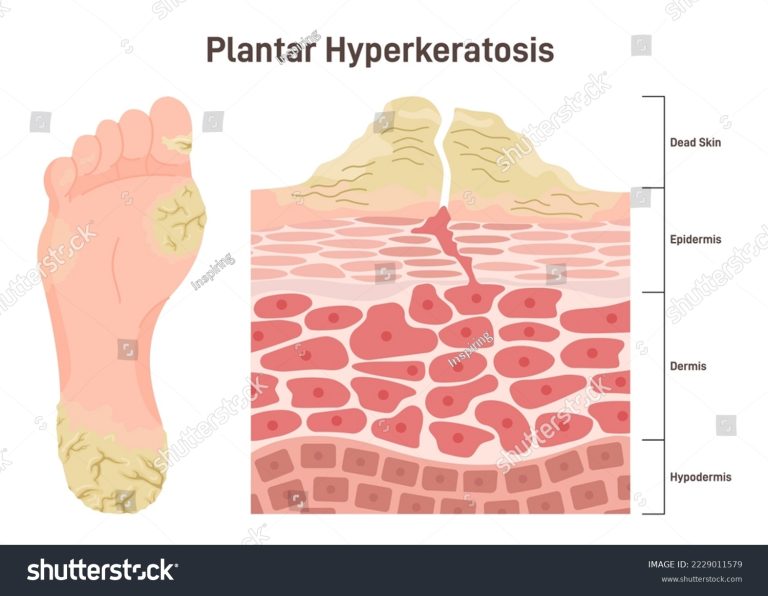
Hyperkeratosis is a condition in which the stratum corneum (the outermost layer of the skin that has keratinized cells) layer of the skin gets thickened. Our skin has broadly three layers. The outermost layer is epidermis. Beneath epidermis lies the dermis layer. And last layer lying below the dermis is known as hypodermis.  Homeopathic medicines slow down the production of keratin by keratinocyte cells and help reduce the thickening of skin layers. The top homeopathic medicines for hyperkeratosis are Petroleum Oleum, Antimonium Crudum, and Graphites Naturalis. Homeopathic Treatment of Hyperkeratosis Hyperkeratosis can be well-treated with homeopathy. Homeopathic remedies treat hyperkeratosis in a very mild, safe, and gentle manner. These are selected individually for every case as per the sign and symptom presentation. Some prominently indicated homeopathic medicines for treating hyperkeratosis include Petroleum Oleum, Antimonium Crudum, Graphites Naturalis, Thuja Occidentalis and Arsenic Album. These homeopathic medicines treat hyperkeratosis without any side effects. Homeopathic Medicines for Hyperkeratosis Petroleum Oleum – Natural Medicines for Hyperkeratosis with Intensely Thick Skin Petroleum is an effective homeopathic medicine for hyperkeratosis with intensely thick skin. The skin becomes very hard and rough, and cuts and cracks are often present. These may bleed. Thick crusts on the skin, itching, and burning in the skin lesions are also present. The lesions may be painful and extremely sensitive to touch. Antimonium Crudum – Effective Medicine for Hyperkeratosis Causing Corns and Callus Antimonium Crudum is a natural homeopathic medicine used to treat hyperkeratosis where there is a formation of corns and callus. The …