Order supplements and other services.

Book Now

Book a Consultation

It just takes a few minutes to sign up and get fast, easy access to care.

Your Name*:
Your Phone:
Your Email*:
Your Wellness Concern:
Calendar is loading...
Time Slots*:

Your Name*:
Your Phone:
Your Email*:
Your Wellness Concern:
Calendar is loading...
Time Slots*:

None of these are your actual problem. Let’s figure out what’s really causing them.

Urinary problems are among the most common health issues affecting men and women of all age groups. These include cystitis, urethral stricture, renal calculi, and urine incontinence. Homeopathic medicines for urinary problems are natural, safe and free from toxic side-effects. Cystitis is an infection of the lower urinary tract; the main symptoms include burning with urination, a frequent urge to urinate accompanied by significant pain. Urethral stricture is the narrowing of the urethra caused due to injury, infection or instrumentation. The most common symptoms of urethral stricture are weak and splaying urinary stream, need to strain to urinate and pain during urination. Renal calculus or kidney stone is formed from minerals in the urine. Marked symptoms of renal calculus are excruciating, intermittent pains radiating from the flanks to the groins (to the inner thigh) termed as ‘renal colic.’ Renal colic is generally accompanied by urinary urgency, nausea, restlessness, and hematuria. Urine incontinence is the term used for involuntary passage of urine, dribbling with a sudden urge to urinate. Urine incontinence results from loss of bladder control, enlarged prostate or prolapsed uterus. Advantage of Homeopathy Homeopathy medicines offer the best available mode of treatment of urinary problems. Homeopathy medicines stimulate the restorative processes of the body and strengthen the detrusor muscles. The tonicity of the weakened muscles of the bladder is revitalized. Conventional treatments include painful surgical procedures with increased chances of recurrences, injury, sexual dysfunction or incontinence. Homeopathy medicines restore normal health without the need for surgical interventions. They act at the …
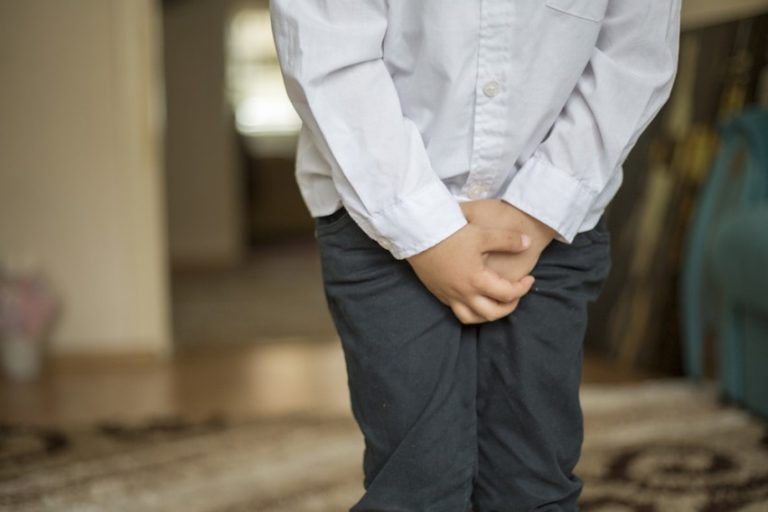
Urine incontinence is a condition in which urine leaks out involuntarily. Loss of bladder control results in this common and embarrassing situation. The condition affects persons of both genders. Urine incontinence involves a frequent and sudden urge to urinate, the person leaks urine while coughing and sneezing. The urge is so sudden and strong one does not usually get the time to reach a toilet. Constant dribbling of urine due to a bladder that does not empty is present. The causes are prolapsed uterus, menopause, and prostate problems. Age is a risk factor as well. Children and the elderly are more likely to suffer this condition. Homeopathic medicines for urine incontinence act extensively on restoring tonicity of the weakened muscles. Homeopathic Medicines for Urine Incontinence Homeopathy medicines are of great help in treating urine incontinence. They strengthen the detrusor muscles of the urinary bladder. Involuntary urination occurs mostly when the bladder muscles become weak. Conventional treatments include painful surgical procedures, with chances of recurrence. Homeopathy, on the other hand, takes the non-invasive approach and uses natural medicines to heal the condition. Cantharis, Squilla, Kreosotum, Benzoicum Acidum and Digitalis rate among the top grade medicines for urinary incontinence. Cantharis is prescribed in cases where there is an urge to urinate even with the smallest quantity of urine in the bladder. Squilla is one of the best medicines for urinary incontinence with watery spurting of urine when coughing.  Kreosotum acts well when the urge to urinate is very urgent and must be attended in a hurry. Where the person feels …

Blood in urine is known as Hematuria. Hematuria can occur in a person of any age group. Due to hematuria, the urine may appear smoky, pink, slightly reddish, dark red or brownish. Blood in the urine may arise from a problem in any part of the urinary tract, including kidneys, ureter, urinary bladder and urethra. There are various causes for blood in the urine. Causes for blood in the urine include infection in the urinary tract, cystitis, pyelonephritis, glomerulonephritis, renal calculus, prostatitis, prostate enlargement, instrumentation of urinary tract, trauma to the urinary tract, certain medications, vigorous exercise, and cancer. There are a significant number of medicines for the homeopathic treatment for blood in urine. Every case of blood in urine needs a proper evaluation to find the cause behind it and to finalize the medicine. The best Homeopathic medicines for blood in urine will aim at correcting the underlying cause for the condition thus ensuringeffective and complete recovery. Homeopathic Medicines for Blood in Urine Top listed medicines for blood in urine include Berberis Vulgaris, Lycopodium, Cantharis, Apis Mellifica, Nitric Acid, Uva Ursi and Terebinthina. The selection of medicine for blood in urine for every individual case should be made after a detailed case analysis. These medicines should be taken only after consulting a homeopathic physician, and self-medication should be avoided. 1. Berberis Vulgaris and Lycopodium – For Blood in Urine Because of Kidney Stones Berberis Vulgaris is a very well known medicine for blood in urine as well as for …

Burning urination can be caused by different causes. The main among these is an infection of the urinary tract (including urethra, bladder, ureters and kidneys). Next cause can be use of hygiene products like certain lotions, scented soaps, etc. Catheterization could also be a reason. Another reason for burning urination is STDs (sexually transmitted infections) like chlamydia, gonorrhoea and genital herpes. Further causes include prostatitis (inflammation of prostate gland) and vaginitis (inflammation of vagina). Burning may be felt during urination, before urination, and, in few cases, after urination. Urgency and increased frequency to pass urine may also be present. In a few cases, the urine may be offensive or cloudy, may contain mucus, or blood. Along with the above symptoms, fever and flank pain may also occur. Homeopathic treatment for burning urination gives remarkable results. It aims to treat the cause behind the problem for complete recovery. Besides burning, it also relieves attending signs and symptoms like pain, frequent urination, urgent urination, and dribbling urination. As a result, it treats the complaint as a whole, covering all the aspects. Mainstream medicine usually recommends antibiotics to help cases of burning urination. It helps in providing relief, but the complaint may not get eradicated from its roots. On the other hand, homeopathy treats the complaint from its origin, thus providing complete cure. Homeopathy acts on the root cause Homeopathic medicines, after providing initial relief in burning urination, focus to treating its underlying cause to aid total recovery. Homeopathic medicines uplift the body’s …

Appearance of pus cells in urine is medically known as pyuria. Passing a few pus cells in urine is normal. If someone is passing too many pus cells in urine, then it indicates the presence of some sort of infection in the urinary tract. The infection is most likely in the lower urinary tract that includes the urethra (urethritis) and urinary bladder (cystitis). The infection may also be present in the upper urinary tract including kidney or ureter. Other reasons for pus cells in urine are prostatitis and STDs (sexually transmitted diseases). Mycoplasma and chlamydia are the major STD’s that lead to pus cells in urine. Homeopathic medicines to treat pus cells in urine are natural remedies that cause no side effect. Symptoms of Pus Cells in Urine The symptoms that arise from pus cells in urine include pain/burning while urinating, frequent urination, cloudy urine, a smell in urine, lower abdomen pain and fever. Homeopathic Medicines for Pus Cells in Urine Homeopathy is a symptom based science that treats a person based on the individual symptom presentation. Homeopathic treatment for pus cells in urine is also symptom based. The most suitable Homeopathic medicine for pus cells in urine is selected after symptoms experienced by the person are noted down and studied in detail. After complete analysis of the case, the most appropriate Homeopathic medicine is prescribed. Some highly effective Homeopathic medicines to treat pus cells in urine are Cantharis Vesicatoria, Berberis Vulgaris, Apis Mellifica, Sarsaparilla Officinalis, Nitric Acid and Uva …

Urticaria, also called hives or ‘nettle rash’, refers to raised, elevated, itchy bumps (wheals also called welts) on the skin surface that results from an allergic reaction to certain allergens. Hives can be accompanied by burning, and stinging pain. There is excellent scope to treat urticaria in homeopathy with natural homeopathic medicines. Homeopathy proves helpful for treating hives that have occurred recently (acute) as well as the ones that have been there for longer duration (chronic). Homeopathic medicines initially help to clear the acute outbreak of wheals. These medicines help to heal the welts along with relief in itching, burning, and stinging sensations. Afterwards, these help to reduce the recurrence and intensity of urticaria gradually. To overcome this complaint entirely, homeopathic remedies work on treating its root cause. The reason behind urticaria is a hyperactive immune system and overproduction of histamine in response to an allergen leading to welts on the skin and attending symptoms like itching, burning, and stinging. So, to completely cure this condition, homeopathy works in optimizing the immune system and lowering the overproduction of histamine naturally. With homeopathic treatment, the dependency on use of antihistamines and other conventional medicines is also reduced. Additionally, homeopathy has an advantage of being safe and natural with no unwanted adverse effects. In homeopathy there is no particular medicine which can be used in every case of urticaria. Rather the most suitable medicine has to be selected from the list of different medicines for urticaria as listed in homeopathic therapeutics. Homeopathic …

Uterine fibroids are common benign, non-cancerous growths made of muscle and fibrous connective tissue arising in the uterus. Uterine fibroids mostly affect women of childbearing age. A single or multiple fibroids may appear and the location may vary from case to case. There is a highly impressive treatment in homeopathy for uterine fibroids. Initially homeopathic medicines aim to offer symptomatic relief in uterine fibroids. Symptoms such as heavy menstrual bleeding, prolonged periods, frequent periods, painful periods and pelvic pain are wonderfully allayed with these medicines. Later, these medicines dissolve the fibroids gradually. The modern system of medicine considers uterine fibroids as a surgical disease but there are always chances of uterine fibroids reappearing after surgery. On the other hand, homeopathic medicines through individualized approach work marvellously to the extent that they can even do away with the need for surgery in fibroids of mild to moderate size. Besides the above, infertility due to uterine fibroids can be treated with regular homeopathic treatment under the guidance of a homeopath with proper follow-ups. Homeopathy fixes root cause It is very necessary that in order to cure any disease the underlying cause be addressed. An imbalance in female hormones is the basic cause behind the growth of fibroids. Homeopathy tends to work on resolving the root cause that has caused fibroids to manifest itself and help stop further growth and aid shrinking of fibroids. Usually birth control pills are prescribed in conventional mode that only manages the symptoms and does not cure the disease …

Uterine polyps are the overgrowth of the endometrial lining of the womb or the uterus. Uterine polyps are also known as endometrial polyps. The size of the uterine polyps varies from few millimeters to a few centimeters. Uterine polyps may be single or multiple in number. They can be sessile or pedunculated, the second ones being more common. Sessile means they attach with the uterine cavity with a flat base, and pedunculated means they connect to the uterine cavity with a stalk. Uterine polyps are usually noncancerous or benign but have a 5% chance of being malignant or turning malignant. Chances of malignancy of uterine polyps are higher in postmenopausal women. Homeopathy treats many gynecological complaints with much success. Homeopathic medicines for uterine polyps are very effective and safe. Causes and Risk Factors The exact cause of uterine polyps is not clear, but they tend to arise from high levels of estrogen circulating in the body. Certain risk factors make women prone to uterine polyps. These include obesity, hormone replacement therapy, and high blood pressure. Apart from these, women taking tamoxifen, which is a drug for breast cancer treatment, are also prone to uterine polyps. Women around perimenopausal or postmenopausal age group are at the highest risk, but young women may also develop them. Symptoms of Uterine Polyps Uterine polyps can be both asymptomatic and symptomatic. The symptoms of uterine polyps include menorrhagia or heavy or prolonged periods, bleeding in between menstrual cycles or metrorrhagia, irregular periods, and bleeding from …

The slipping out of the uterus — the womb or child-bearing organ — into the vagina is referred to as a prolapsed uterus. The reason behind Uterine Prolapse is weakened muscles and ligaments that keep the uterus in place. The muscles get weakened because of various reasons. It could be after vaginal delivery, after menopause, because of heavy weightlifting, obesity, chronic cough, chronic constipation or pelvic tumors. All these factors result in the uterus getting displaced from the normal position, leading to prolapse. A prolapsed uterus results in symptoms like heaviness in the pelvic region, bearing down in the pelvis, urine retention or involuntary passage of urine and bowel symptoms like constipation, or the frequent urge to pass stool or poop. Homeopathic remedies for uterine prolapse can provide complete cure for the condition and the remedies, which are totally safe with zero side effects, can be really beneficial for the treatment of Uterine Prolapse. Top Homeopathic Remedies for Uterine Prolaps Uterine Prolapse can be completely treated with the help of Homeopathy medicines. The medicines, which are made from natural substances, help in providing strength to the loose and weak muscular and ligament structure of the pelvis. As the muscles and ligaments regain strength, they tighten, pull back and hold the uterus at its proper place. Homeopathy remedies for Uterine prolapse can cure the early stages of Uterine Prolapse but in the last degree cases of Uterine Prolapse when the whole uterus comes out of the vagina, surgical intervention is the only way out. Sepia, …