Order supplements and other services.

Book Now

Book a Consultation

It just takes a few minutes to sign up and get fast, easy access to care.

Your Name*:
Your Phone:
Your Email*:
Your Wellness Concern:
Calendar is loading...
Time Slots*:

Your Name*:
Your Phone:
Your Email*:
Your Wellness Concern:
Calendar is loading...
Time Slots*:

None of these are your actual problem. Let’s figure out what’s really causing them.

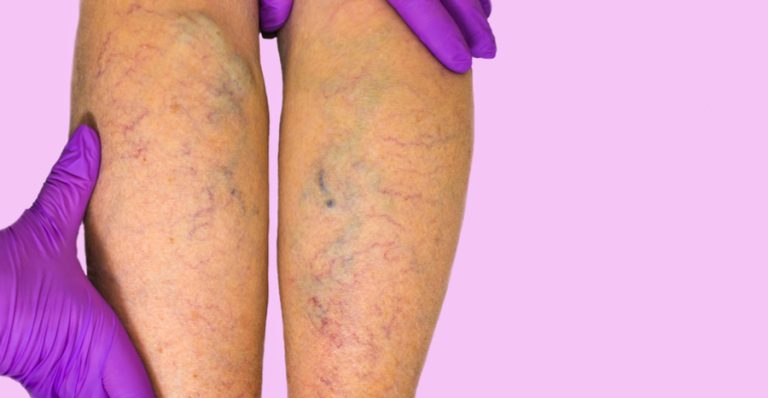
Venous insufficiency is a vein disease that arises when the valves in the veins (of the legs) do not function properly. Usually, the valves in leg veins allow only a one-way flow of blood – to the heart from legs – and prevent its backflow. In case these valves don’t work properly, then the blood flows backward, causing blood to pool in the legs, leading to venous insufficiency. Homeopathic medicines for venous insufficiency work according to the different symptoms presented as a part of the condition. The top homeopathic remedies for pooling of blood in legs are discussed below. Homeopathic Medicines for Venous Insufficiency Hamamelis Virginiana – Top Homeopathic Remedy for Venous Insufficiency and Varicose Veins Hamamelis Virginiana is prepared from a plant commonly known as ‘witch – hazel.’ The natural order of this plant is Hamamelidacee. Hamamelis Virginiana is used in treatment for venous insufficiency with tiredness or aching in the legs. Along with this, the legs also feel tense, and a dragging sensation may be present. Varicose veins are present on the legs. The varices may be hard and knotty. Pain in the legs usually worsening from little motion is another main feature that appears. Ulcers on legs with prickling pain that are sensitive to touch also indicate the use of Hamamelis Virginiana. Pulsatilla Nigricans – For Venous Insufficiency with Cramping and Pain in Legs Pulsatilla Nigricans is a remedy of natural origin prepared from the plant ‘Windflower.’ This plant belongs to family Ranunculaceae. It works well when there is cramping and pain in the legs. Cramping …
Vertigo is a sensation in which a person feels that he or she is moving or the things in the surrounding are in motion which is not so in reality. The person with vertigo may have difficulty maintaining balance while walking and standing. Improper imbalance can also result in falling. Nausea and vomiting may also accompany vertigo. Homeopathy offers excellent treatment in cases of vertigo. With zero side effects and  a natural composition, homeopathic remedies for vertigo give wonderful results. Homeopathic medicines provide cure in vertigo cases by working at a deep level to root out the cause. Besides relieving vertigo, these medicines also help to manage attending symptoms like nausea, vomiting, headache, noises in ears (tinnitus), a sensation of fullness in the ears that may occur in some cases depending on the cause behind it. Unlike medicines used in the conventional mode that work temporarily and can have side effects, homeopathic medicines give long term relief with zero side effects. Initially, homeopathy aims to give relief in acute vertigo episodes. Afterwards, it works to reduce the intensity and frequency of vertigo attacks in future. Its main motive is to help to cure it entirely with proper treatment. As vertigo can arise from varying causes, homeopathy focuses to fight back this cause to give excellent cures. Homeopathy is a highly reliable healing science based on fixed principles to prescribe medicines. It does not follow a hit and trial approach to address health issues. Rather the medicine prescription, potency selection, dosage and repetition …

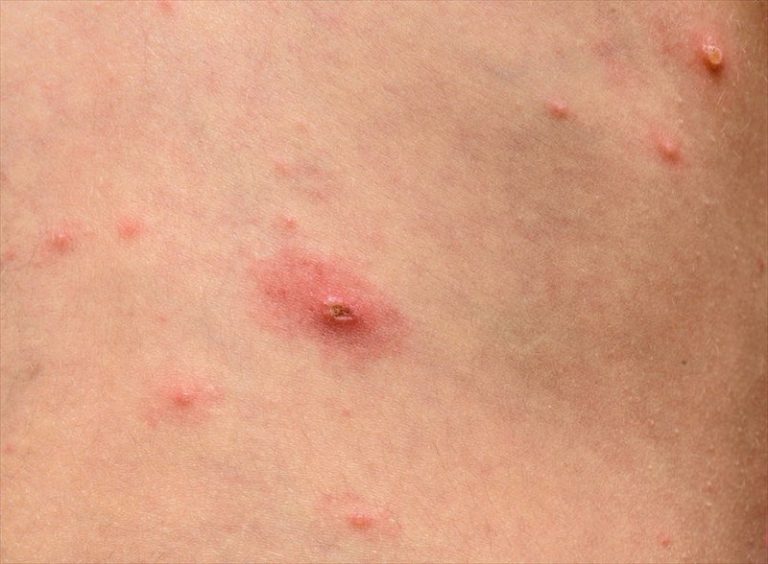
Infections caused by the presence of a virus in the body are known as viral infections. One or more viruses cause these infections, and they are common in clinical practice. Although these infections can affect anyone, children and aged people are more susceptible due to weaker immune systems. Homeopathic treatment for viral infections helps resolve the condition by naturally strengthening the immune system, thereby enabling the body to fight infection. Some viral infections are self-limiting while others can lead to severe complications. These infections produce debilitating symptoms and affect the day-to-day life of the infected person. The symptoms vary depending on the organs or systems affected by the virus. The most prominent symptoms include high fever and severe body pain with marked weakness. In addition to this, specific symptoms also occur. How do Viral Infections Spread? Viral infections are highly contagious and get transferred very quickly by direct or indirect contact. Viral infections of the skin like herpes and chickenpox spread by direct or indirect contact through infectious discharge. This discharge oozes from skin eruptions that are a common symptom of these diseases. Viral infections of the respiratory system spread through exposure to nasal or respiratory discharges. Discharge is spread while coughing or sneezing, or by direct contact with items like contaminated handkerchief or utensils. Viral infections can lead to gastroenteritis or hepatitis. Here the spread occurs by ingestion of contaminated food or water. Few viral infections spread by the bite of insects like mosquitoes or ticks. They include hemorrhagic …

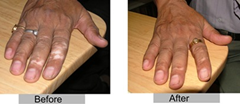
Vitiligo (often called leucoderma) is a skin disorder characterized by the development of white patches on the skin. It results from improper functioning or destruction of the melanocytes cells that produce melanin pigment (normally responsible for providing color to skin and hair). This disorder also leads to psychological issues relating to appearances and at times in certain individuals (mainly adolescents and the young), this stress can take enormous proportions particularly if vitiligo develops on visible areas of the body. They develop very strong emotions of being embarrassed, depressed, or worried about how others will react. Homeopathy can treat vitiligo quite effectively with safe and natural medicines. It is capable of giving wonderful and miraculous cures in many cases of vitiligo. Homeopathy primarily works on halting the further progression of white patches on the skin. Afterwards, it functions to promote pigmentation in the white patches. Homeopathy works in vitiligo cases by optimising the immune system that helps in preventing damage to melanocytes cells. It also aims to activate the melanocyte cells to enhance the natural production of the pigment and start repigmentation of affected areas. Treating vitiligo in homeopathy is a very gradual process. So one needs to remember that vitiligo is a chronic disorder and can take considerable time even with the best of homoeopathic treatment, for it to be completely cured. What causes Vitiligo? The cause for Vitiligo is not very clear but doctors and researchers are beginning to believe that Vitiligo resembles an autoimmune disorder. It means that …

The vocal cords are a band of muscle tissue fold located inside the larynx (voice-box). Vocal cords are also known as vocal folds. The function of the vocal cords is to produce sound for speech, protect the airways from getting choked by food, drink or saliva and regulating air flow in the lungs. During inhalation, the vocal cords move apart (get abducted). These vocal cords then adduct or come close together while swallowing and sound production. Any hindrance of nerve supply to the larynx may result in vocal cord paralysis. This condition is also known as vocal fold paresis,  recurrent laryngeal nerve paralysis, or vocal fold paralysis. Speaking, breathing and swallowing are the functions that get affected if the vocal cord gets paralyzed. Homeopathic remedies for vocal cord paralysis carry a good scope of treatment. Cuasticum, Gelsemium, and Cocculus Indicus are the top homeopathic medicines used to treat vocal cord paralysis. Homeopathic Treatment for Vocal Cord Paralysis The homeopathic mode of treatment is quite effective for managing vocal cord paralysis. From the long list of effective homeopathic medicines used to manage cases of vocal cord paralysis, the major ones are Causticum, Gelsemium, Cocculus Indicus, Lachesis, Stannum Met, Nux Vomica, and Phosphorus. Homeopathy is a symptom-based science where the symptoms provided by the patient provide the key towards the medicines required for a particular case. The chances of recovery in each and every case of vocal cord paralysis are highly variable. Various factors like the duration of complaint, intensity of symptoms, unilateral/bilateral involvement …

Vomiting (medically known as emesis) refers to a forceful ejection of stomach contents through the mouth. Vomiting is a symptom rather than a disease and can arise from a wide range of causes. Some of the reasons for vomiting include overeating, indigestion, food poisoning, and gastrointestinal infections. Homeopathy can be used to manage episodes of vomiting along with other symptoms like nausea, diarrhea, and abdominal pain. The top homeopathic medicines for vomiting include Ipecac, Arsenic Album, and Veratrum Album. Some other medical conditions that can cause vomiting include disorders of the gastrointestinal tract like Crohn’s disease, gastritis, pancreatitis, celiac disease, gastroparesis, peptic ulcer, GERD (gastro-esophageal reflux disease), milk allergy, liver disease, intestinal obstruction, inflammed gallbladder (cholecystitis), morning sickness of pregnancy, inner ear disorders including Meniere’s disease, migraines, BPPV (benign paroxysmal positional vertigo), motion/travelling illness, certain medications, chemotherapy, anaesthesia, brain injury/tumor and excessive intake of alcohol. Homeopathic Treatment of Vomiting Homeopathic remedies offer a natural and safe treatment for vomiting. Numerous homeopathic medicines are used to treat vomiting. The most suitable among them is selected for every individual case depending upon the characteristic symptoms. Homeopathic Medicines for Vomiting Ipecac – For Vomiting with Intense Nausea Ipecac is a natural medicine for vomiting prepared from the dried root of a plant named ipecacuanha. The natural order of this plant is Rubiaceae. Ipecac is very useful in cases of vomiting attended with intense nausea. The nausea is almost constant. The vomiting may be of white glairy mucus, watery fluid, yellowish/greenish colored matter or undigested …

ting specific body areas. A person may get warts by skin to skin contact with a person having warts. Homeopathic medicine for warts treat this condition in a very safe, mild, gentle and painless way. Warts can also arise by coming in contact with an object that is infected with the human papillomavirus. A weak immune system raises the risk of contracting the infection leading to warts. Among the various types of warts, the major ones are flat warts, filiform warts, and common warts. Flat warts have smooth flat surface arising mainly on face, neck, hands, and knees. Filiform warts are thread like warts arising near the eyelids or lips. Common warts are rough, raised skin colored warts that arise on hand. Common warts are also known as verruca vulgaris. Warts that arise on soles of feet are known as plantar warts. Warts arising around the nails are known as periungual warts. Homeopathic Medicine for Warts Under conventional mode of treatment cauterization is adopted for removing warts. It may cause pain and scarring. Homeopathy medicines follow a curative approach to treat warts rather than suppressing them. Homeopathic medicines boost the immune system of the body to fight with the infectious agent that is causing warts. Homeopathy remedies for warts are all prepared from naturally occurring substances. Hence they are free from any side effects. The best medicines for warts are Thuja Occidentalis, Causticum, and Nitric Acid. These medicines for warts are very effective, deep acting and gives highly promising results. 1. Thuja Occidentalis – Excellent Medicine to treat Warts Thuja Occidentalis is an excellent medicine for warts. Warts that are seedy, large or pedunculated indicate the use of Thuja Occidentalis. It is helpful for treating wart arising on any body part. Skin dryness …

Water is a critical component of the human body. Around 70% of the human body is made up of water. All body tissues, organs, and fluids, like blood and lymph, are made up of water. The regulation of water in the body is a complex mechanism and is carried out by different organs of the body. Management of water helps in maintaining the water within reasonable limits despite the amount of water taken by the person or the climatic conditions outside. Any disturbance in the regulatory mechanisms can lead to water retention in the body. When the retention of water in the body tissues or tissue cavities exceeds the desired amount, it is known as edema. Water retention can be generalized, which means that it is present in the whole body; or it can be limited to one body part, like pedal edema where water retention is seen only in the ankles. Homeopathic treatment for water retention is very beneficial. A thorough investigation in each case of water retention is a must to rule out the involvement of any major organ before the beginning of the treatment. In mild cases, medicines for water retention can be prescribed along with changes in diet and lifestyle. But in cases where retention is associated with disorders of major organs, treatment helps in managing the case. In such instances, treatment can be used in conjunction with conventional medicine to offer support to the patient. Medicines for water retention not only help in providing symptomatic …

Epiphora is the condition of having watery eyes. Usually, a few tears are regularly produced in our eyes by the lachrymal glands. These serve the purpose of cleaning and lubricating the eyes. The tears get drained through the tear ducts or the nasolacrimal ducts into the nose. Any blockage or narrowing of the tear ducts can lead to an overflow of tears on to the face. This overflow of tears is known as watery eyes or Epiphora. In some cases, the drainage system for tears works well, but watery eyes result from excessive production of tears. Causes leading to excessive tear production are allergies, conjunctivitis, chemical irritants, entropion or ectropion, and blepharitis. Although watery eyes can occur at any age, little babies and people over 60 years of age have higher chances of being afflicted. The symptoms that accompany watery eyes are eye pain, inflammation of eyes, and impaired vision. Homeopathy has highly beneficial medicines to treat watery eyes. For the homeopathic treatment for watery eyes to be effective, it is essential that the precise details of each case are made clear. Homeopathic Treatment for Watery Eyes To decide on medication, accompanying symptoms like burning, itching, swelling, sensitivity to light, pain and redness in the eyes also have to be taken into consideration. Homeopathic treatment for watery eyes aims at treating the cause leading to the problem to ensure complete recovery. The most prominently indicated homeopathic medicines for watery eyes are Euphrasia, Natrum Mur Silicea, Pulsatilla, and Allium Cepa. 1. Euphrasia – …